
Jowar vs ragi: which millet is better, and why we bake with both
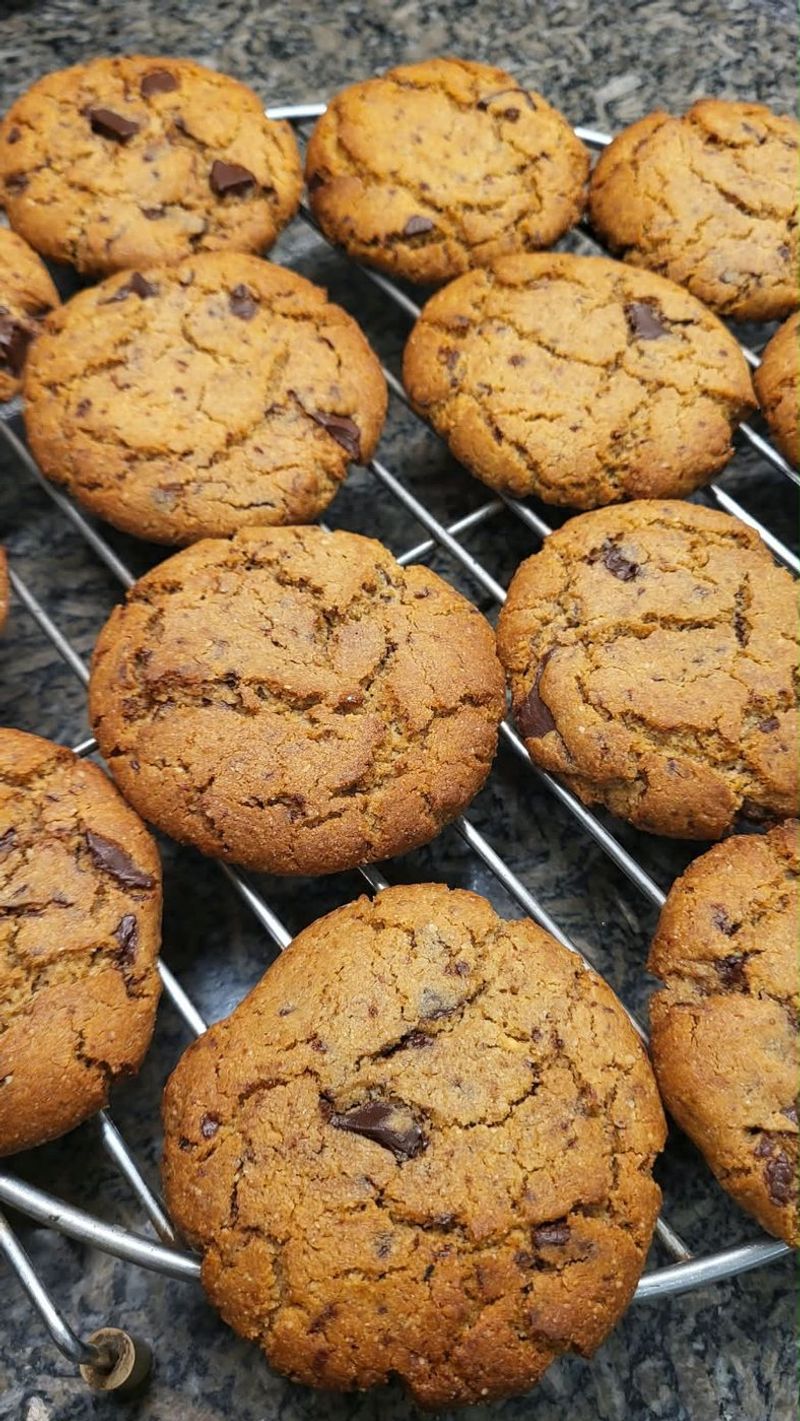
Jowar vs ragi is one of the most common questions about millets — and when we started baking Twin Bites, it was ours too. If not maida, then what? We tested flour after flour in our home kitchen, and the two we kept coming back to were jowar and ragi, millets that have been part of Indian kitchens for generations. Here's how they differ, which one suits what, and why our cookies use both.
Jowar vs ragi at a glance
- Also called: jowar is jonna (Telugu), jola (Kannada) and cholam (Tamil); ragi is nachni (Marathi), mandua (Hindi) and kezhvaragu (Tamil)
- Colour: jowar is off-white to pale gold; ragi is reddish-brown
- Taste: jowar is mild and slightly sweet; ragi is earthy and nutty
- Texture when cooked: jowar is soft and light; ragi is denser and heartier
- Best known for: jowar bhakri and rotis; ragi mudde, malt, dosa and porridge
- Gluten: both are naturally gluten-free grains
Jowar (sorghum): the mild millet
Jowar is the gentle one. The flour is pale and mild, with a faint natural sweetness, which makes it a forgiving base for baking. In our cookies it keeps the colour light and the middle soft. In most homes you'll meet it as jowar roti or bhakri, and more and more people now bake with it too.
Ragi (finger millet): the bold millet
Ragi is the bold one. The flour is reddish-brown with an earthy, nutty flavour. It's famous in South India for ragi mudde and ragi malt, and it's the millet people usually think of when they think of calcium. It's also a traditional first food for babies in many South Indian families.
Jowar or ragi: which is healthier?
Honestly, there's no single winner — they're good at different things. Both are whole grains, both are naturally gluten-free, and both bring fibre that refined flour like maida doesn't.
- Ragi is the one people usually reach for when they're thinking about calcium.
- Jowar is often preferred as a lighter, milder everyday grain that's easy to swap in for wheat.
If you can, don't choose — rotate. Eating a mix of millets through the week gives you a bit of everything. We're bakers, not nutritionists, so if you're choosing grains for a specific health need, a doctor or dietitian is the right person to ask.
Jowar vs ragi for weight loss
Neither grain is a weight-loss food on its own. What helps is what they replace: swapping refined flour for a whole-grain millet adds fibre, and fibre tends to keep you fuller for longer. Portion size and the rest of your plate matter far more than which millet you pick.
Jowar vs ragi for diabetes
Both are commonly suggested as alternatives to refined flour and white rice, because whole grains with more fibre are generally digested more slowly. But millets are still carbohydrates, and how any food affects your blood sugar depends on the portion, how it's cooked and what you eat it with. If you're managing diabetes, please talk to your doctor or dietitian about what works for you.
Ragi roti vs jowar roti
- Jowar roti (bhakri): softer and milder — a good everyday swap for wheat rotis once you get the hang of warm water and patting by hand.
- Ragi roti: darker, earthier and a little denser. It can crack more easily, so many cooks knead it with hot water or add grated vegetables.
- Tip: a mix of the two gives you a roti that's soft like jowar and flavourful like ragi — the same idea behind our cookies.
Why our cookies use both
Jowar alone bakes into a soft, mild cookie that can taste a little plain. Ragi alone is delicious but dense and very earthy. Together, jowar keeps the texture tender while ragi adds depth and a toasty, almost malty note that goes beautifully with chocolate. That balance is the base of our Single Chocolate cookies, and the same millet thinking runs through our Double Chocolate and Pistachio cookies.
Baking with millet flours at home
- There's no gluten, so millet doughs won't stretch or rise like wheat. Cookies are a great millet bake because they don't need that structure.
- Let the dough rest for a little while so the flour can absorb moisture — it bakes up less crumbly.
- Go easy on ragi at first. Too much makes a bake dense and very earthy; start with a mostly-jowar mix and add ragi for colour and depth.
- Ragi loves chocolate, jaggery and nuts, which balance its earthiness.
Frequently asked questions
Can I eat jowar and ragi every day? Both are traditional everyday grains in many Indian homes. Variety is still a good idea, so rotating millets through the week works well.
Are jowar and ragi gluten-free? Both grains are naturally gluten-free. If you need to avoid gluten strictly, check how the flour or product was processed, as cross-contact with wheat can happen in mills and kitchens. Our cookies are baked in a home kitchen and aren't certified gluten-free — if you have coeliac disease or a gluten allergy, please message us before ordering.
Do millet cookies taste different from regular cookies? A little — in a good way. Jowar keeps them soft and mild, and ragi adds a toasty, almost malty note. Most people notice the depth before they notice the millet.
Try it for yourself
The easiest way to taste what jowar and ragi do together is in a cookie. Start with a batch of 6 from our menu — every cookie is eggless, made without maida, and baked fresh to order. We need 2 days' notice, and we deliver across India. Cutting back on sugar? See our monk fruit option.
— Swathi & Swetha